


Star Citizen Engineering Gameplay Guide: Master Your Ship's Systems in Alpha 4.5
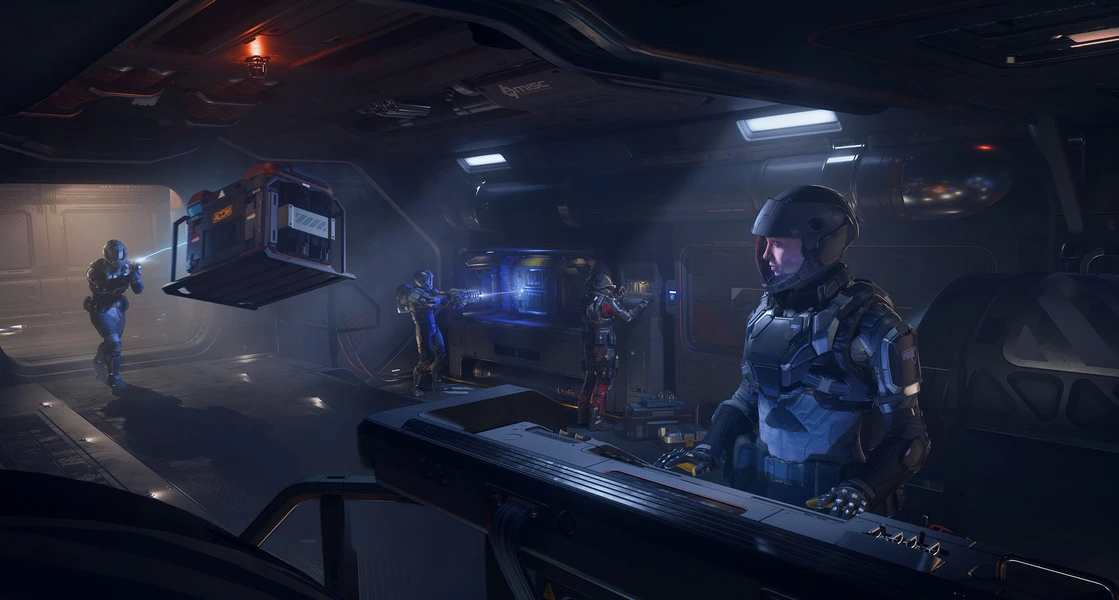


Cloud Imperium Games has released a comprehensive guide to Engineering gameplay, one of Star Citizen's most significant new gameplay systems introduced in Alpha 4.5. This detailed overview provides players with everything they need to understand and master the complex art of keeping their ships operational in the unforgiving depths of space.
The Foundation of Engineering Gameplay
Engineering gameplay represents a fundamental pillar of Star Citizen's vehicle management loop, transforming ship operation from simple piloting into an active, engaging challenge. The system becomes particularly crucial on larger vessels with interiors, where maintaining peak performance requires coordinated crew efforts across multiple stations. At its core, Engineering focuses on real-time system management, responding to critical failures, and making vital decisions that can mean the difference between survival and destruction.
The system operates through the Resource Network, which connects every item and system within a ship, allowing them to communicate and depend on one another. Engineers must balance this network constantly, managing power distribution, monitoring component health, and reacting to emergencies as they arise. The experience varies dramatically based on ship size: single-seat fighters handle most Engineering tasks through Multi-Function Displays with preset flight profiles, while larger multi-crew vessels require dedicated Engineering console management and active crew coordination.
Essential Tools for Every Engineer
Success in Engineering requires proper equipment. The Cambio SRT serves as the primary two-handed repair tool for damaged components and hull breaches, while the more portable Cambio-Lite SRT attachment for multitools offers one-handed convenience for quick field repairs. Both tools require Recycled Material Composite canisters, which can be purchased from specialized shops or filled manually by salvaging hull materials from ships.
Engineers should always carry spare fuses in their backpacks, as these critical components regulate relay performance throughout the ship. Fire extinguishers are equally essential, capable of suppressing fires caused by malfunctions, overheated components, or environmental failures. These extinguishers can be replenished by returning them to their designated slots aboard the ship.
Understanding Components and Their Classes
Components form the beating heart of every ship, providing main functionality for all major systems. These include power plants, radars, coolers, weapons, utility items, shield generators, quantum drives, jump modules, and life support generators. Each component exists as a physicalized element with health and temperature values that must be monitored closely.
Components range from Size 0 to Size 4, with Size 0 being the smallest and Size 4 the largest. Weapon sizes extend up to Size 12. Only Size 0 through Size 2 components can be replaced during flight; anything larger requires docking at a station. Each component also carries an Item Grade from A to D, with A representing the strongest performance and D being the least efficient but most affordable option.
Component Classes add another layer of strategic choice. Military-class components offer higher durability and power output but demand more resources. Stealth components focus on heat control and signature reduction to keep ships hidden, though they wear down faster. Industrial components prioritize reliability for cargo hauling, while racing components maximize output at the expense of heat management and longevity.
The Engineering Console: Command Center of Your Ship
For vessels with interiors, the Engineering console serves as the central hub for monitoring and controlling system performance. The console divides into three primary views: the Vehicle Hologram showing 3D interior layout with real-time component status; the Engineering View focusing on power management and resource consumption; and the Preset View allowing custom power distribution profiles to be saved and deployed on demand.
The Rooms View presents a holographic representation of the ship's interior, displaying door states, component health, and functionality. Engineers can toggle systems on or off while monitoring key ship status details including life support, cooling, overall health, and fuel levels. The Engineering View tracks temperature, provides overheating warnings, and shows real-time resource production and consumption across all systems.
Power Distribution and Resource Management
Distributing power throughout a vehicle stands as one of the most critical Engineering responsibilities. Power is generated by the power plant and flows through the Resource Network via relays and fuses. Engineers must allocate power to different systems, with performance generally following three ranges: 0 to 40 percent for low output, 40 to 80 percent for mid-range performance, and 80 to 100 percent for high performance operation.
These power levels affect system output, resource consumption, heat generation, wear over time, and malfunction probability. Engineers must balance performance boosts against long-term operational costs. Some systems are managed as pools, particularly weapons, shields, and thrusters, allowing power assignment to entire groups rather than individual components.
Beyond power, crews must manage coolant to control temperatures, life support to maintain breathable air and pressure, hydrogen fuel for power generation and thrust, and quantum fuel for long-distance travel. Each resource plays a vital role in keeping the ship operational.
Armor, Damage, and Penetration
Alpha 4.5 introduces armor as an additional defensive layer. Armor reduces incoming fire impact and protects both hull and internal components by limiting damage and penetration. All weapon types can damage armor, though smaller weapons struggle against thick plating while heavier fire can wear it down effectively.
Energy weapons excel at reducing hull and armor material, while ballistic weapons offer higher penetration to pass through armor and strike components directly. Explosive weapons primarily target external components and armor, while distortion weapons affect nearby components at impact points. The amount of armor varies by ship size and role, with military vessels carrying significantly more protection than civilian or industrial craft.
Heat Management and Fire Suppression
Heat management has become crucial for pilots and engineers alike. Components generate heat during operation, creating a constant balancing act between cooling systems and performance requirements. Prolonged high-temperature operation accelerates wear, reduces efficiency, and increases failure probability. Components that overheat beyond safe thresholds trigger thermal shutdowns and cease functioning until cooled.
Overheated shield generators or surfaces risk igniting fires, one of the most dangerous situations a ship can face. Engineers must respond immediately using fire extinguishers or by venting affected rooms to remove oxygen and suppress flames. Staying ahead of heat management proves essential to ship safety and operational capability.
Repair and Maintenance
Repair gameplay extends component and vehicle lifespan significantly. Engineers should always carry repair tools and monitor component health through Engineering screens. Components completely destroyed in flight can be restored to functional status, though not to full health without station servicing or replacement. If a component is destroyed again after field repair, it cannot be repaired aboard ship a second time and remains inoperable until docking.
Spare components can be carried onboard when space permits, though only Size 1 and Size 2 components can be swapped during flight. Larger components require hangar access for replacement. Proactive maintenance and quick repair response separate successful crews from those left drifting in space.
Engineering Implementation Across the Fleet
With Alpha 4.5's release, every vehicle in Star Citizen features Engineering capabilities, though implementation stages vary. Ships fall into three categories: Stage 3 vessels with full functionality including accessible physicalized components, complete item repair, and accessible relays; Stage 2 ships with partial functionality and some accessible components; and Stage 1 vehicles with basic support limited to MFD-based repairs without accessible physicalized components or relays.
The guide notes this list will evolve with each subsequent patch as ships continue their journey toward final implementation. Cloud Imperium Games encourages players to experience Engineering across multiple vessels and provide feedback through various communication channels to help refine this developing system.
Engineering gameplay represents a transformative addition to Star Citizen, adding depth and strategic complexity to vehicle operation while creating meaningful roles for multi-crew coordination. As the system continues to develop over the coming year, it promises to become an increasingly vital element of the Star Citizen experience.
| ← Previous Article | Next Article → |
|---|---|
| Luminalia 2955 Returns to Star Citizen: 13 Days of Festiv... | Star Citizen Roadmap Update: December 17, 2025 - Patch 4.... |